
Future of Fibre Aotearoa

Future of Fibre Aotearoa is an industry-led initiative focussed on unlocking value across New Zealand’s fibre ecosystem, from raw material production to finished product and back again. It aims to reposition fibre as a flagship of NZ’s high-value economy by delivering sector research, foundational insights and pilot projects focused on innovation, design, and locally embedded systems.
Led by Fashion & Textiles New Zealand, the is supported through an AGMARDT collaborative partnership grant.
Background
Fibre is a strategic, yet underdeveloped, part of NZ’s bioeconomy. Food and fibre have long been approached together in NZ’s primary industries, but they create vastly different end products and value pathways. While food is fast moving and perishable, fibre products are enduring, creating potential to drive innovation and open markets in textiles, composites and other materials while embedding Aotearoa's unique identity.
Future of Fibre Aotearoa is working to connect the ecosystem, identify gaps and opportunities, and pilot new models for innovation, capability building, and market access. We envisage fibre as a national strategic asset, capable of delivering economic, environmental, cultural, and social value.
Future of Fibre Aotearoa is one of three interconnected initiatives Fashion & Textiles NZ is leading this year, alongside the NZ Clothing & Textiles Manufacturing Strategy, and Threads of Tomorrow Summit, a national forum on 16 June 2026 in Auckland.
Together, these aim to form a joined-up view of the sector today and outline a pathway toward greater resilience, competitiveness and opportunity.
Threads of Tomorrow Summit 2026
We’re excited to announce that the Threads of Tomorrow Summit will take place in Tāmaki Makaurau Auckland on Tuesday 16th June, 2026.
Theme: Shaping the Future - Place-Based, Innovative, Thriving
Building on the momentum of the Threads of Tomorrow report and the opportunities identified across Aotearoa’s fibre, textile, product and clothing sectors, the Summit will be a major national gathering dedicated to shaping the future of our industry to deliver lasting value for our communities, our economy, and our place.
Convened by Fashion & Textiles NZ (MFNZ) the one-day event will bring together leaders and visionaries from across the value chain, from fibre growers and textile producers to designers, manufacturers, innovators, researchers, policymakers and international partners.
The Summit will explore:
- The values and stories that set Aotearoa apart on the global stage
- Innovation at every stage of the fibre-to-product system
- How Aotearoa can strengthen local industry capability and future-ready manufacturing
- Circular and regenerative models that support a thriving bioeconomy
- How we can collaborate across sectors to unlock new value and opportunity
As global pressures, technological shifts and sustainability imperatives reshape the industry, this Summit offers a pivotal moment to come together, align on a shared narrative, and chart a bold course for the future.
More details, including speakers, programme and ticketing, will be released in early 2026.
Want to be part of this inaugural event?
We'd love you to take part. Do you have an innovation you'd like to showcase, an exciting and bold story to tell, or simply want to attend?
Tell us how you'd like to be involved by filling in our Expression of Interest form here, and we will get back to you.
For now, mark your calendars.
Aotearoa’s future of clothing, textiles and fibre begins here.
Threads of Tomorrow Report
Crafting the Future of Aotearoa New Zealand’s Fashion, Clothing and Textiles Landscape
Fashion & Textiles commissioned EY New Zealand to examine, for the first time, the sizeable economic and cultural contribution New Zealand’s Fashion, Clothing and Textile Industry (NZFCTI) makes to Aotearoa New Zealand.
Threads of Tomorrow is the result, a landmark report that demonstrates the industry’s value and presents a bold vision and action plan for New Zealand’s Fashion, Clothing and Textile Industry to reach a thriving and circular future.
Aotearoa New Zealand’s fashion, clothing and textile industry has significant value. It is an important part of our economy, our culture and our communities. However, the industry is facing challenges that must be addressed to ensure it not only continues to survive, but thrives.
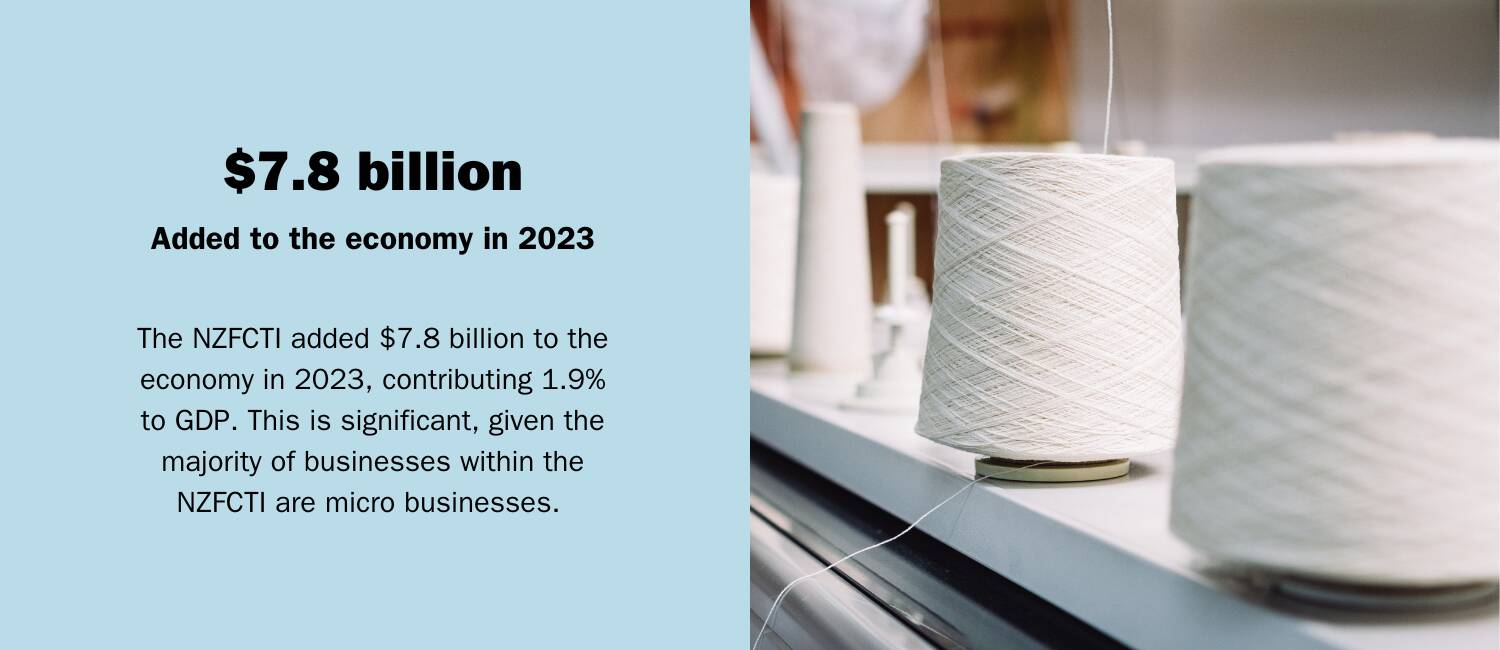
Economic contribution
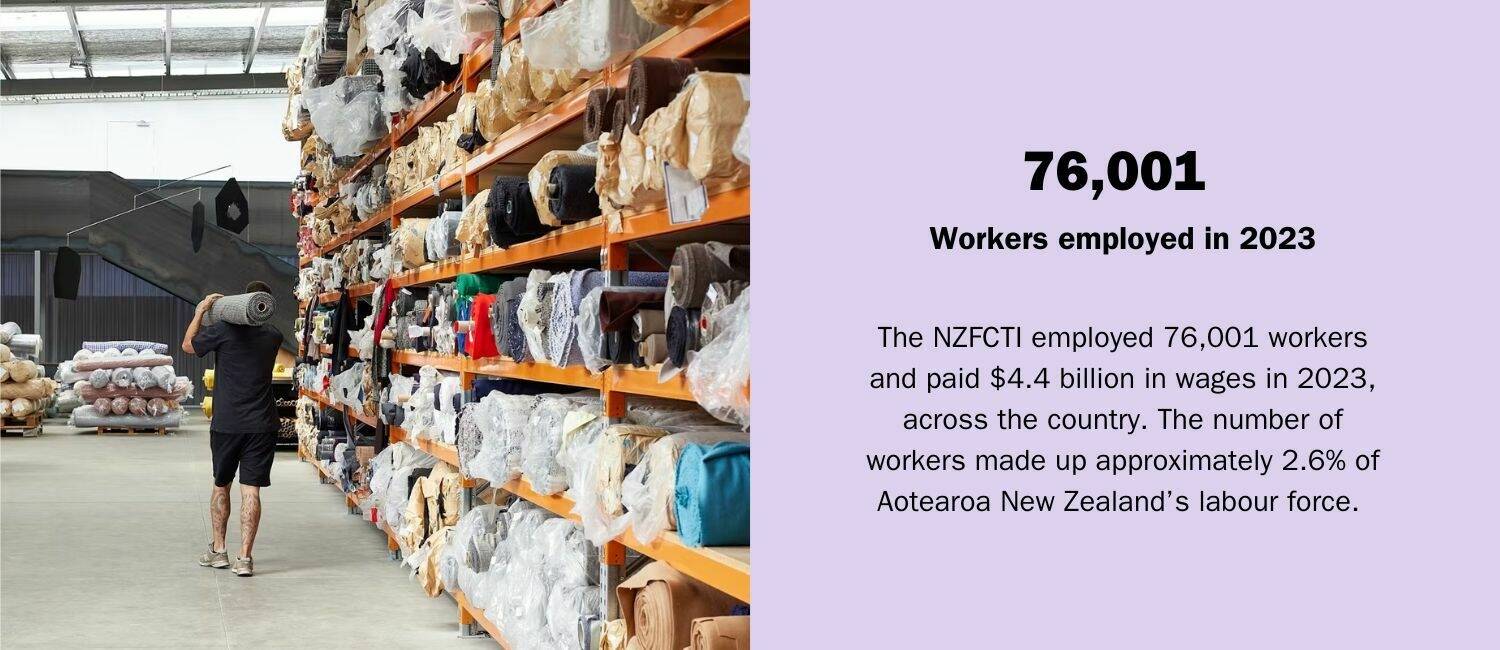
Employment contribution
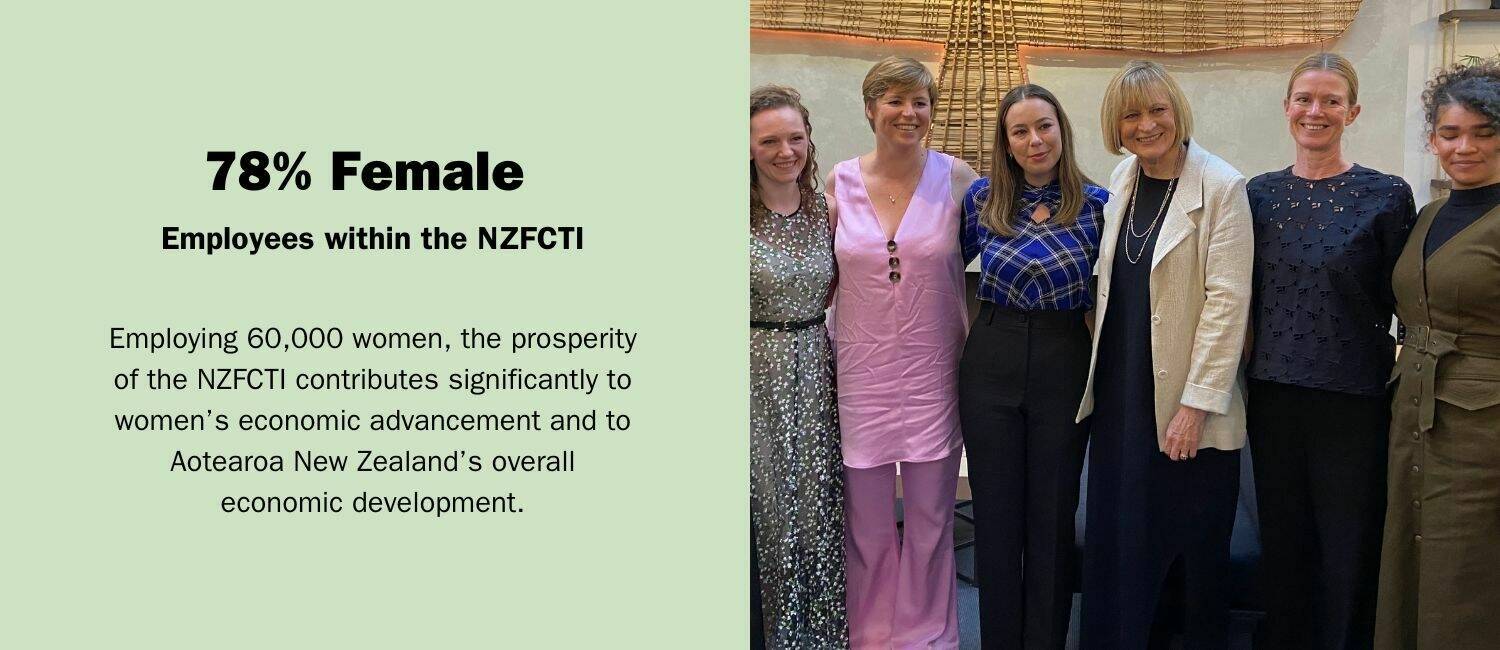
Women are integral to success
“With a clear roadmap for the future laid out in the report, Fashion & Textiles NZ is calling on the government to engage with the industry on the recommendations, which have significant potential to stimulate economic activity, boost the sector’s contribution to the country, and demonstrate the wider benefits a thriving industry can bring.”
Jacinta FitzGerald, MFNZ Chief Executive
Desired Future
The report presents the case for change, highlights the significant challenges the industry is facing and suggests how the opportunities for growth and development can be realised. It makes a strong case for ambitious action and proposes a bold vision, developed in conjunction with industry stakeholders, for the future:
A thriving and circular clothing and textile industry for Aotearoa New Zealand that meets the needs of people, nature and business.
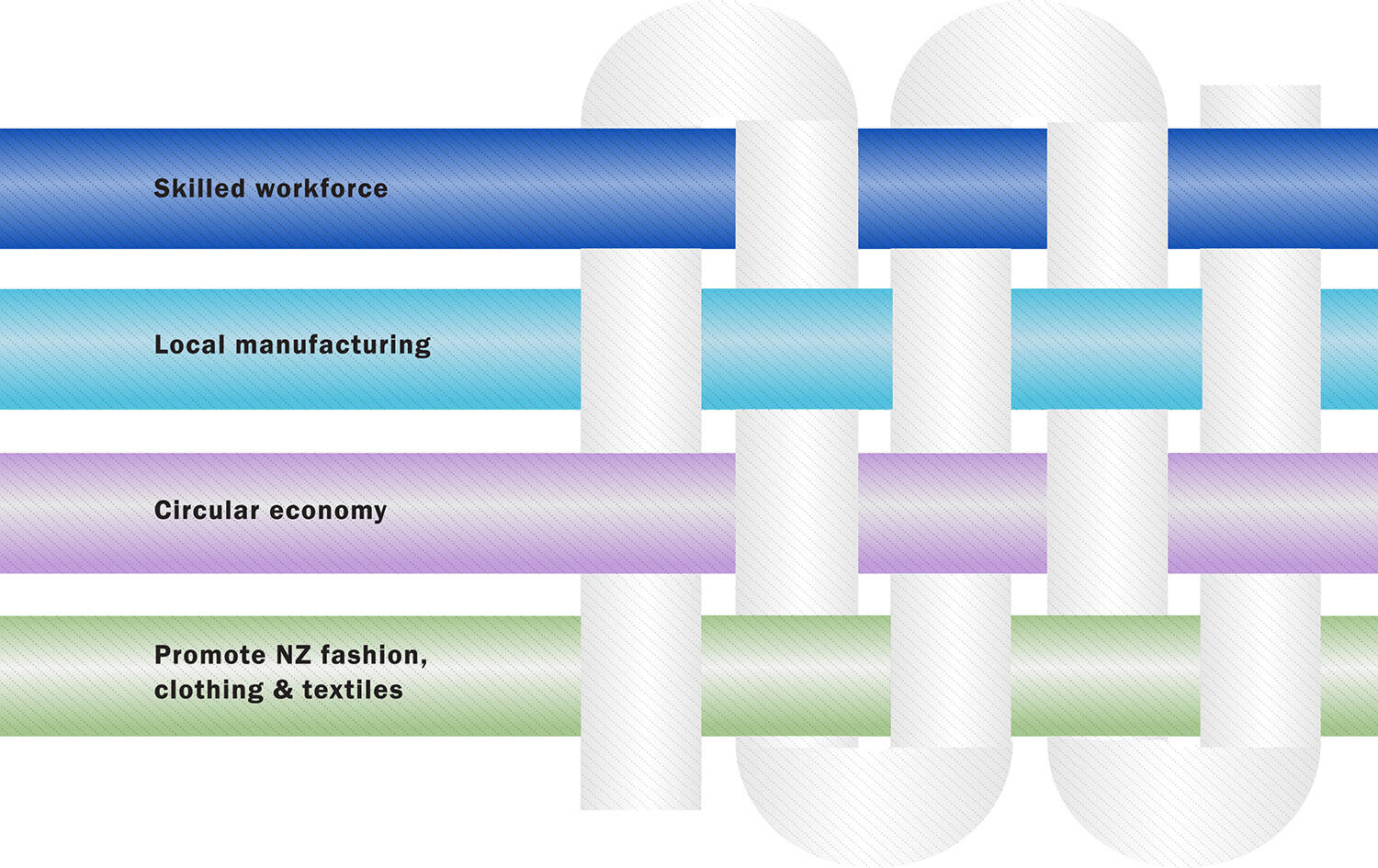
The report illustrates how these opportunities can be realised with 15 recommendations across four action areas provided which are designed to guide industry collaboration over the next few years.
Taken together these actions are designed to boost the industry’s contribution to Aotearoa New Zealand and guide the industry and all stakeholders on the path towards reaching a thriving and circular future.
“The industry in Aotearoa is at a critical turning point. What is clear is that to successfully transform the industry, we all need to work together. No one organisation alone can change the system, but by working together we can create an industry that’s future-focused and that we’re all proud to be part of.”
Juliette Hogan, Fashion Designer and Fashion & Textiles Board Chair.
Action Areas
Next steps
This report comes at a critical moment in time. It is a call to action for the industry and it's stakeholders to play an active role in these initiatives to realise a thriving future for all.
Fashion & Textiles urges investors, philanthropists and industry stakeholders to connect with us and get involved. We ask the government to work with us to incentivise and scale the opportunities in this report.
We call on the support and influence of businesses in the Aotearoa New Zealand fashion, clothing and textile industry to show leadership and get involved.By collaborating we can truly unlock these opportunities, grow a thriving industry and contribute to the future prosperity of New Zealand. With businesses, industry bodies and Government coming together we can reach a thriving and circular future for Aotearoa New Zealand’s fashion, clothing and textile industry.
Join us.
Climate Action Toolkit
Get started on your Climate Action journey
The Fashion & Textiles Climate Action Toolkit makes it easy to measure your carbon footprint, and develop reduction strategies to reduce your emissions.
Get started on your climate action journey and learn from other businesses in the sector.
How we developed the Toolkit
In 2022 the Fashion & Textiles Climate Action Programme educated and enabled a cohort of 10 businesses to measure their carbon emissions and develop reduction strategies. We ran this programme in partnership with Ekos, and the Toolkit is made up of a series of tools and guides that were developed for this programme. These resources were reviewed based on participant feedback and refined for use in our 2023 Toolkit.
View/Download Toolkit
What's in the Toolkit
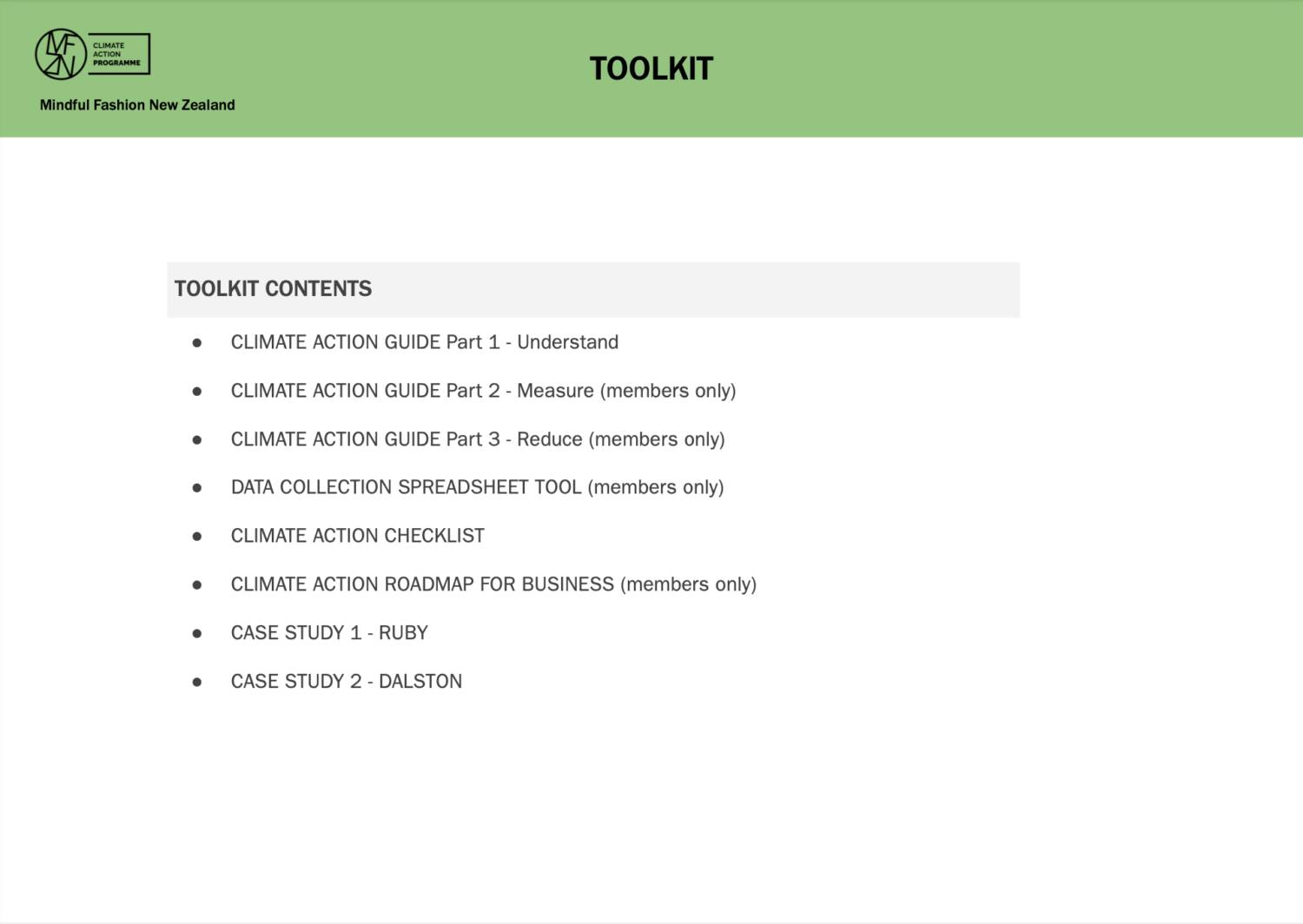
A Step by step Guide to measuring and reducing your carbon emissions
Part 1: Understand covers:
- Learn about climate change, emissions and fashion's impact, and how to measure carbon footprints.
Part 2: Measure covers:
- Step 1. Plan your inventory
- Step 2: Data Collection
- Step 3: Calculate your emissions
Part 3: Reduce covers:
- Step 4: Reduction Strategies
- Step 5: Set Targets
- Step 6: Making progress
Data Collection Spreadsheet tool
- Proprietary spreadsheet developed for this programme to help collate and calculate data.
Checklist
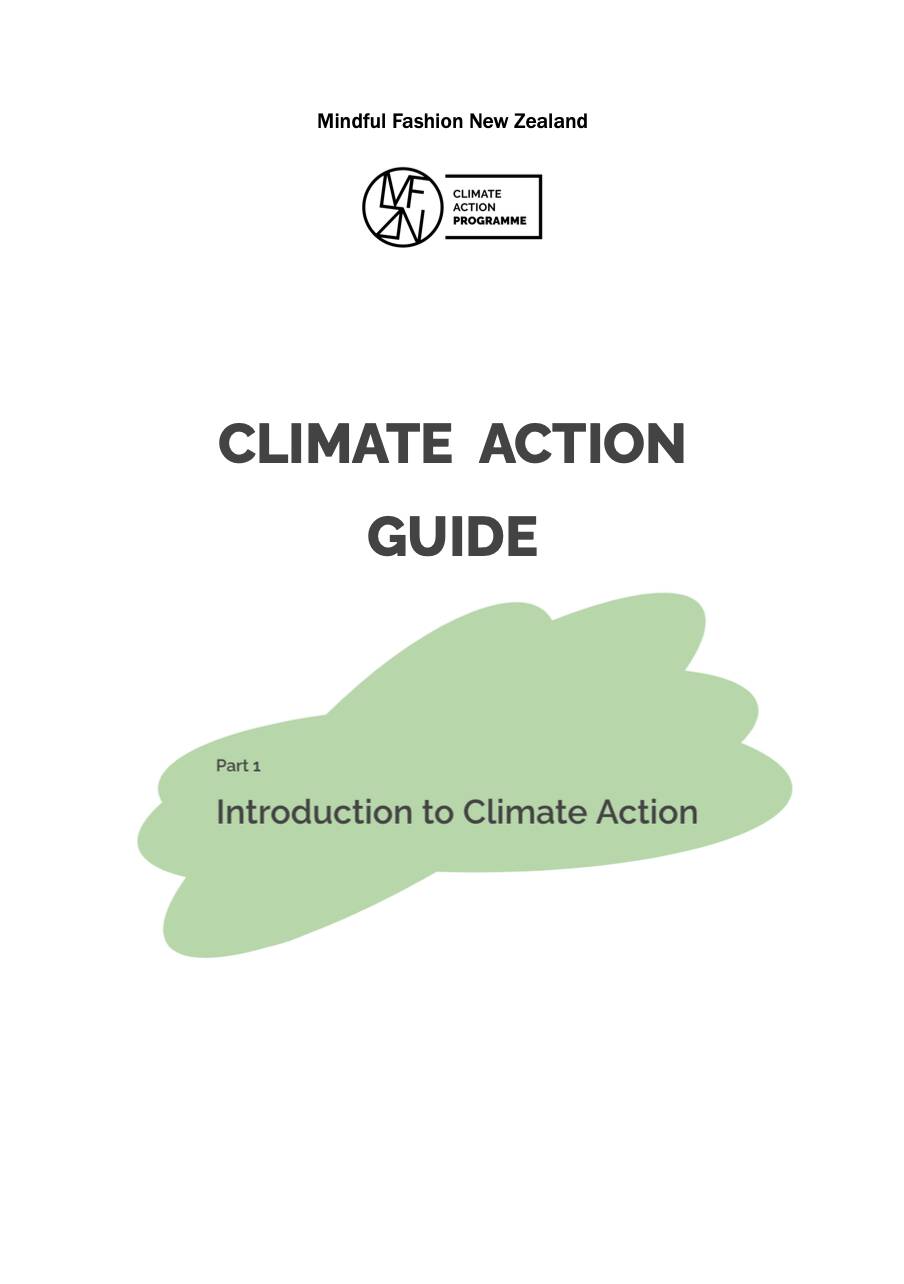
- A checklist to follow to keep track of each step on the journey.
Climate Action Roadmap
- A roadmap showing each stage of your climate action journey with suggested timelines. Use this as a guide to incorporate climate action into your business and sustainability strategy.
>> Get started by Downloading the Toolkit here (members) !
*Non-members see here.
Read our CLIMATE ACTION GUIDE Part 1 - Understand
To learn more about climate change, carbon emissions, and what that has to do with fashion.
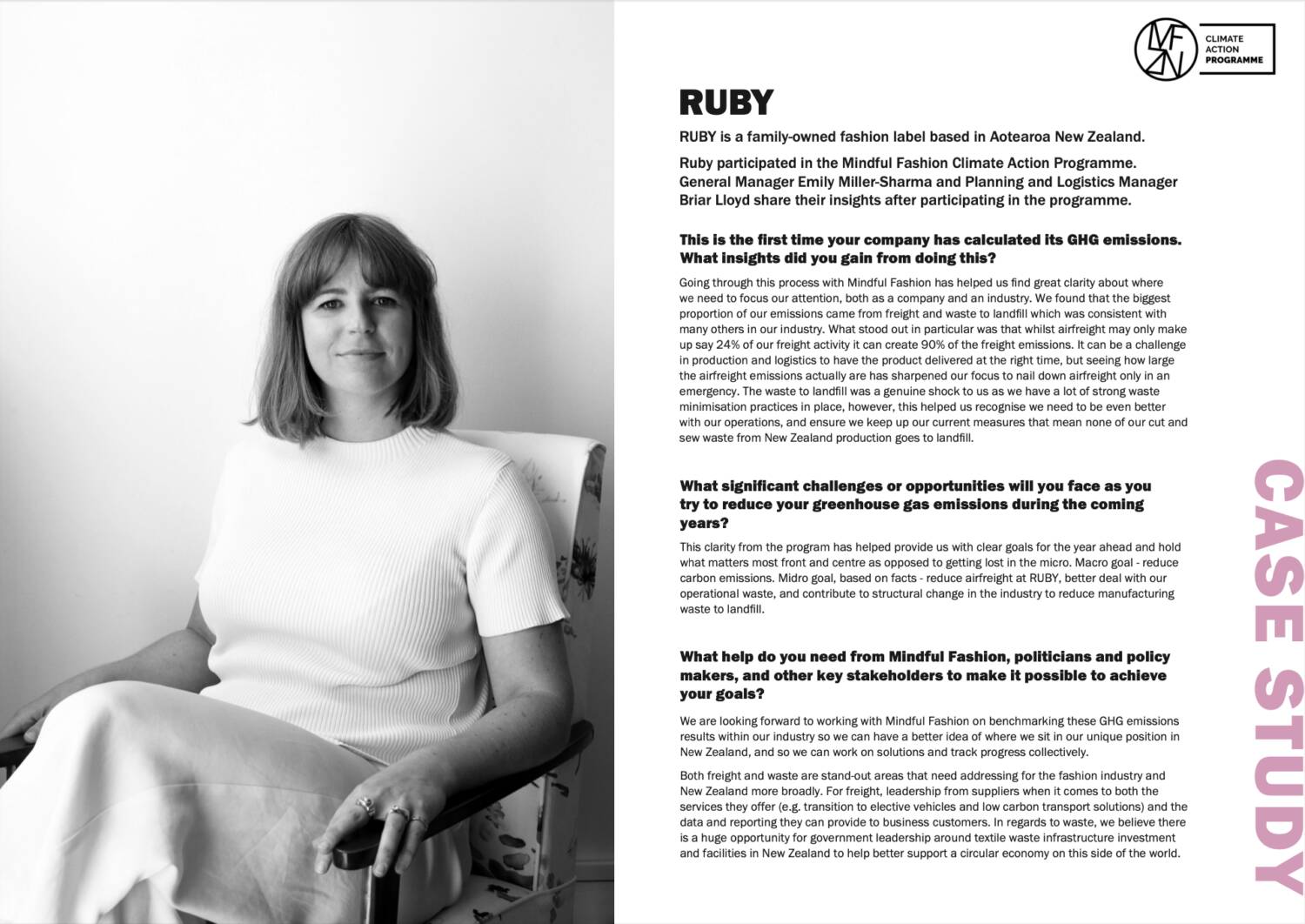
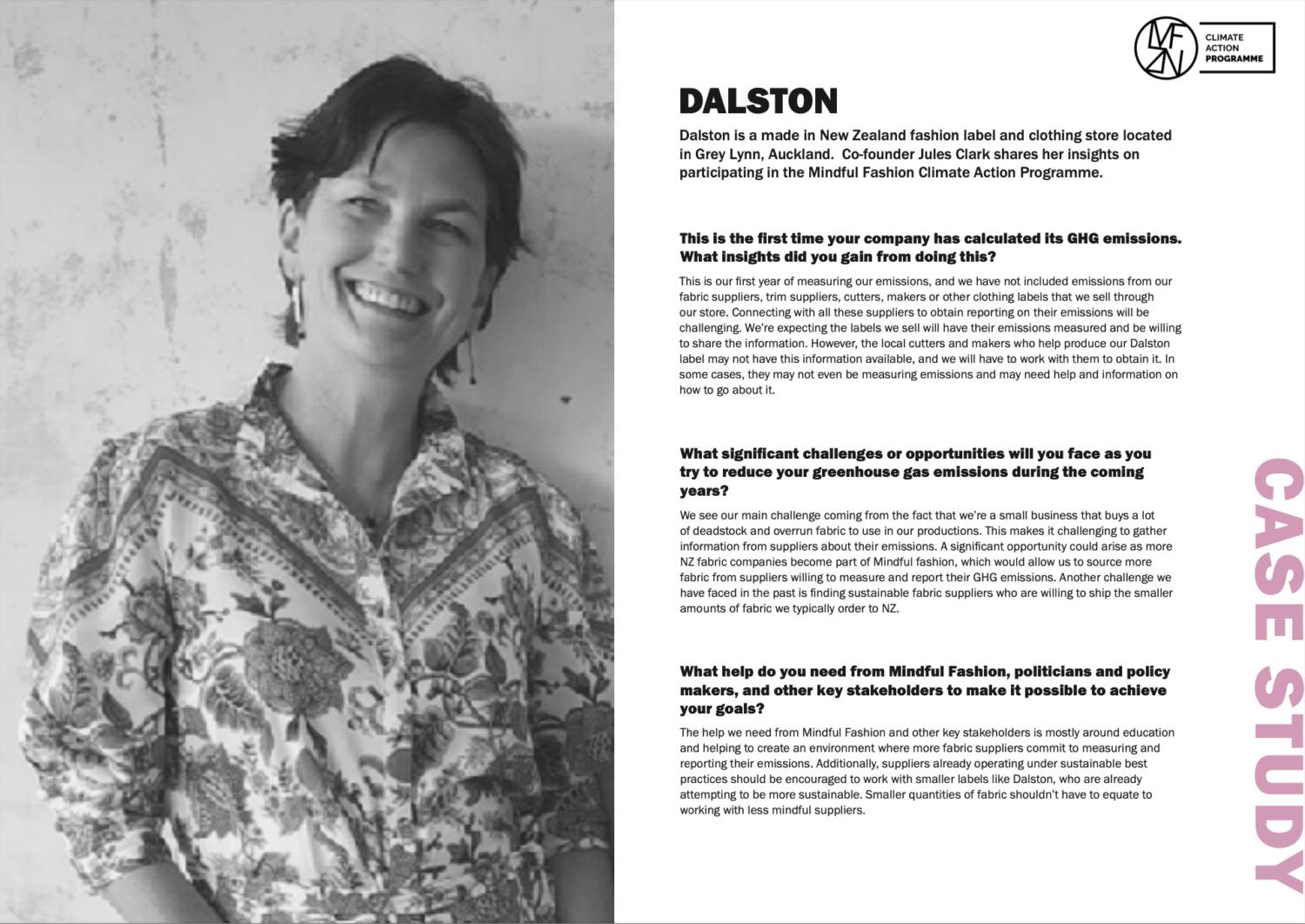
CASE STUDIES
Learn from other businesses on their climate action journey with our case studies.
Internship Guide for NZ Industry
How we developed the Guides
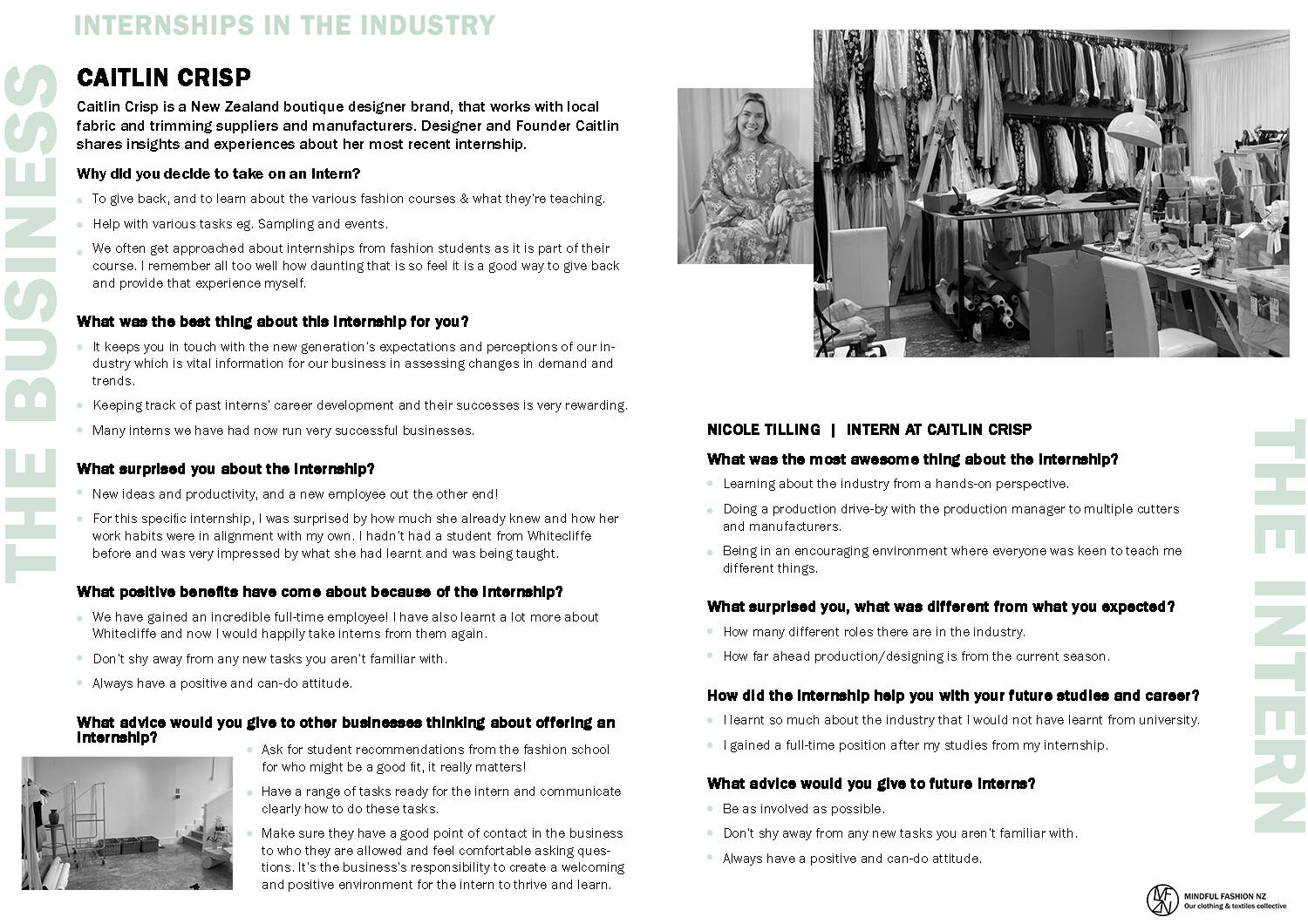
Industry, educators and students have co-created a valuable guide to Internships for the fashion and textile industry in New Zealand.
There is a huge array of career pathways, and businesses that makeup New Zealand's dynamic fashion and textile industry, so it's vital that students and those seeking a career in the industry get to experience this range, and understand where their skills and interests might best fit.
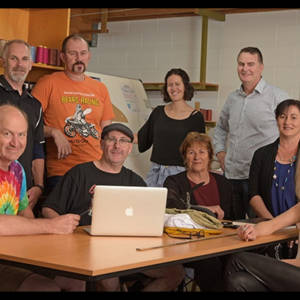
The Fashion & Textiles Internships working group had representatives from brands and retailers, manufacturing, and education, plus recent graduates. It was critical to the success of the project to include a diverse range of stakeholder voices.
The working group set out to understand what makes an effective internship, and an effective intern and collaborated on guides and case studies that aim to make internships more accessible and effective for businesses and learners.
Stakeholder input
We sought input from a wide range of businesses and current and future students to understand the different perspectives. This data formed the backbone of our guides. We worked with education providers to gain an understanding of internship requirements for students and how these fit into the annual calendar. And we interviewed interns and intern providers to build a picture of how an internship actually looks in real life.
The resulting guides and case studies are the culmination of 6 months of work canvassing industry and learners and provide easy-to-use guidance for businesses wanting to host an internship and share their knowledge and expertise with students. For interns seeking an internship, it provides guidance to gain real-world experience in the industry.
Fashion Industry Skills Landscape
May 2022:
Analysing the New Zealand Fashion and Textile Industry Skills landscape
A skilled workforce plays a key role in supporting the development of an innovative, full-circle and thriving future for the fashion and textiles industry in Aotearoa NZ, one that creates positive benefits for people and planet.
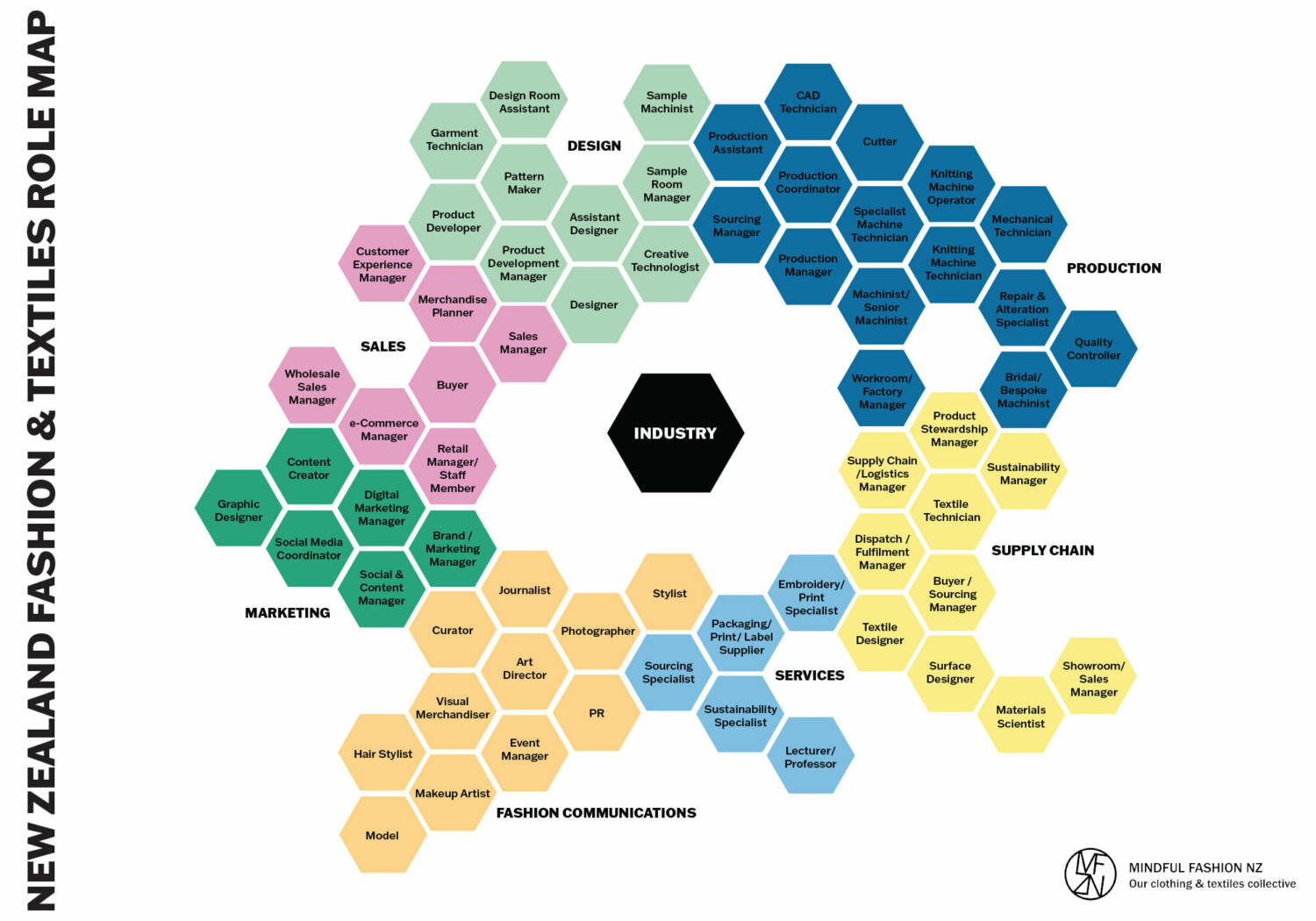
Fashion & Textiles, in collaboration with members of NZ’s fashion and textile industry and the sector's tertiary education providers, has built a comprehensive picture of the skills landscape across the industry in Aotearoa New Zealand. Through this project Fashion & Textiles has developed a series of resource tools that showcase the diverse range of roles and skills required for a sustainable industry in Aotearoa, and has identified key skills gaps and opportunities where work needs to be done.
- New Zealand Fashion & Textile Industry Role Map
- New Zealand Fashion & Textile Industry Skills Landscape Paper
- New Zealand Fashion & Textile Industry Skills Framework
- New Zealand Fashion & Textile Industry Role Profile Library
This project was undertaken to understand what challenges the sector faces, and has resulted in several resources designed to address findings that emerged. The industry is facing numerous challenges, one of which is a critical shortage of technical skills to support manufacturing in New Zealand. A common lack of awareness of the broad range of roles available in the industry was identified as another challenge, creating a barrier to entry for many newcomers.
Skills Gaps
Our key ask of the industry at the start of this project was, “Do we have the skills needed to support a thriving and sustainable industry in New Zealand?” The resounding response was No. We do not.
The biggest area of concern around skilled workers was in technical skills, which includes:
Machining and garment construction;
Patternmaking, product development, cutting, textiles knowledge;
Digital - CAD, Clo 3D, design and development software, eg. Adobe suite;
Transferable soft skills also came up as areas of concern, including business skills, leadership skills, and sustainability skills.
The Skills Landscape paper analyses findings from industry stakeholder interviews to identify skills gaps, and outlines recommendations to address this challenge.
The Fashion & Textiles Skills Framework
The fashion and textile industry is made up of a wide variety of businesses encompassing a broad range of roles, all of which require a diverse set of skills and experience. Fashion & Textiles has created a skills framework, which has been validated by the industry. This framework outlines the key skills required for many of the roles in the industry. This tool is designed to be accessible for any interested stakeholder, including the tertiary education sector, the industry, school leavers, university graduates and job seekers. We want it to grow awareness, spark conversations, and capture more recruits into the broad range of roles we have. For example, it can be used as a guide for the tertiary sector in curriculum planning, to ensure teaching is aligned with industry needs. It can also be used by graduates as they plan their career progression in line with their own skillset. Additionally those looking to employ new staff can use the tool as they form the role outlines.
The Skills Framework is a living document and we welcome further feedback and input from industry.
Role Profiles
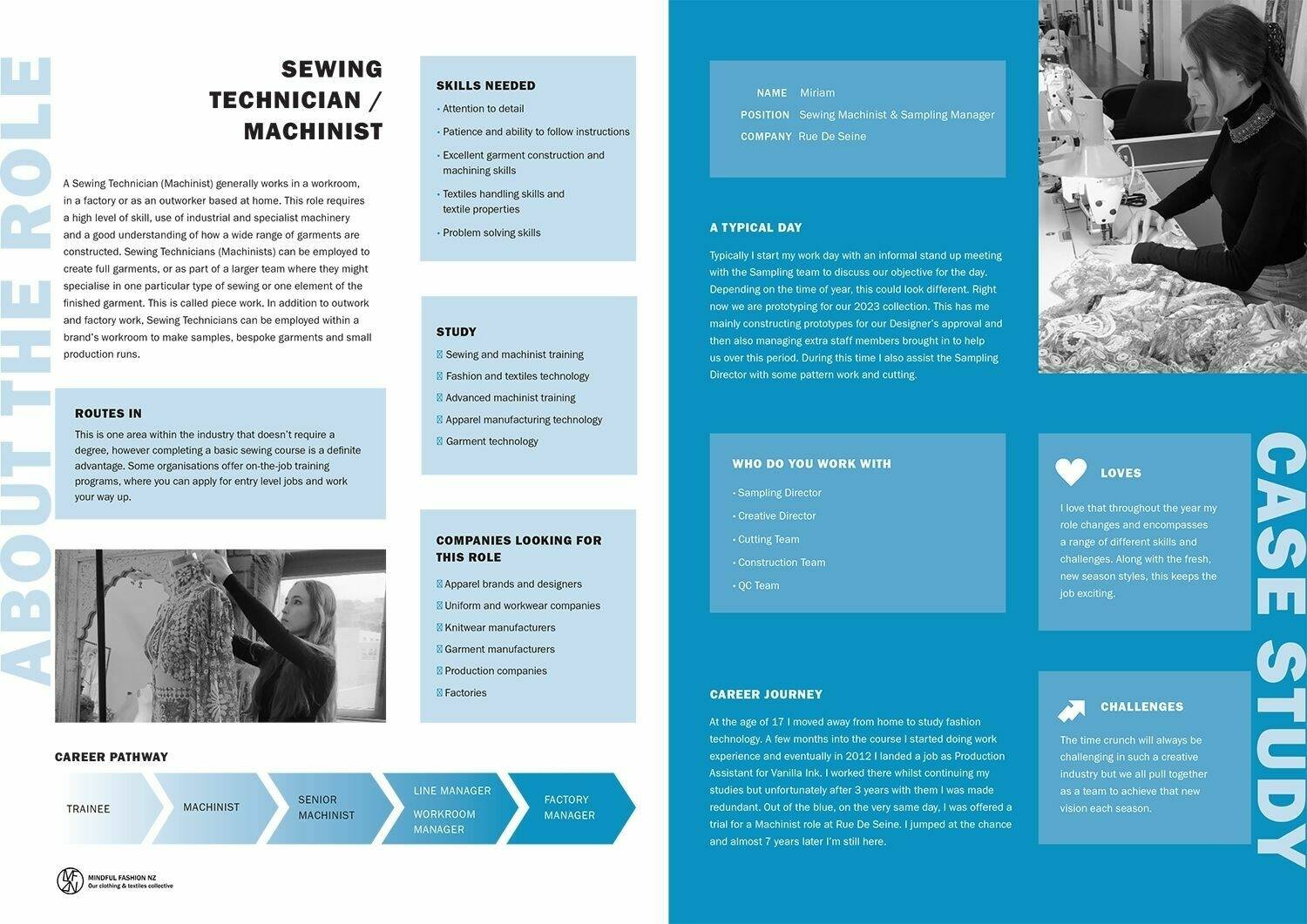
To bring the diverse range of roles to life, and showcase the breadth and depth of the industry we are building a library of role profiles, starting with some of those which we know are facing a skills shortage.
- Sewing Technician/Machinist
- Production Manager
- Product Developer
- Digital Marketing Manager
- PatternMaker.
We welcome recommendations for additional roles to profile.
Circular and Traceable T shirt
March 2021:
We are excited to announce the launch of the Fashion & Textiles full-circle T shirt showcase.
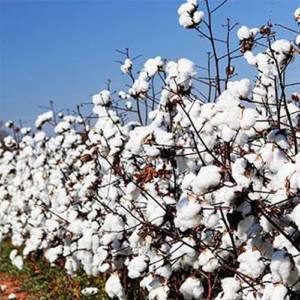
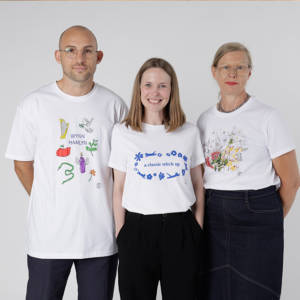
The Fashion & Textiles full circle T shirt has been developed to showcase a circular and sustainable future for the industry. The T-shirt is manufactured in NZ, from 100% certified organic cotton made in a transparent supply chain. Each T-shirt features a bespoke print from one of three Fashion & Textiles designers, and is fully recyclable back into new fibre at the end of its life.
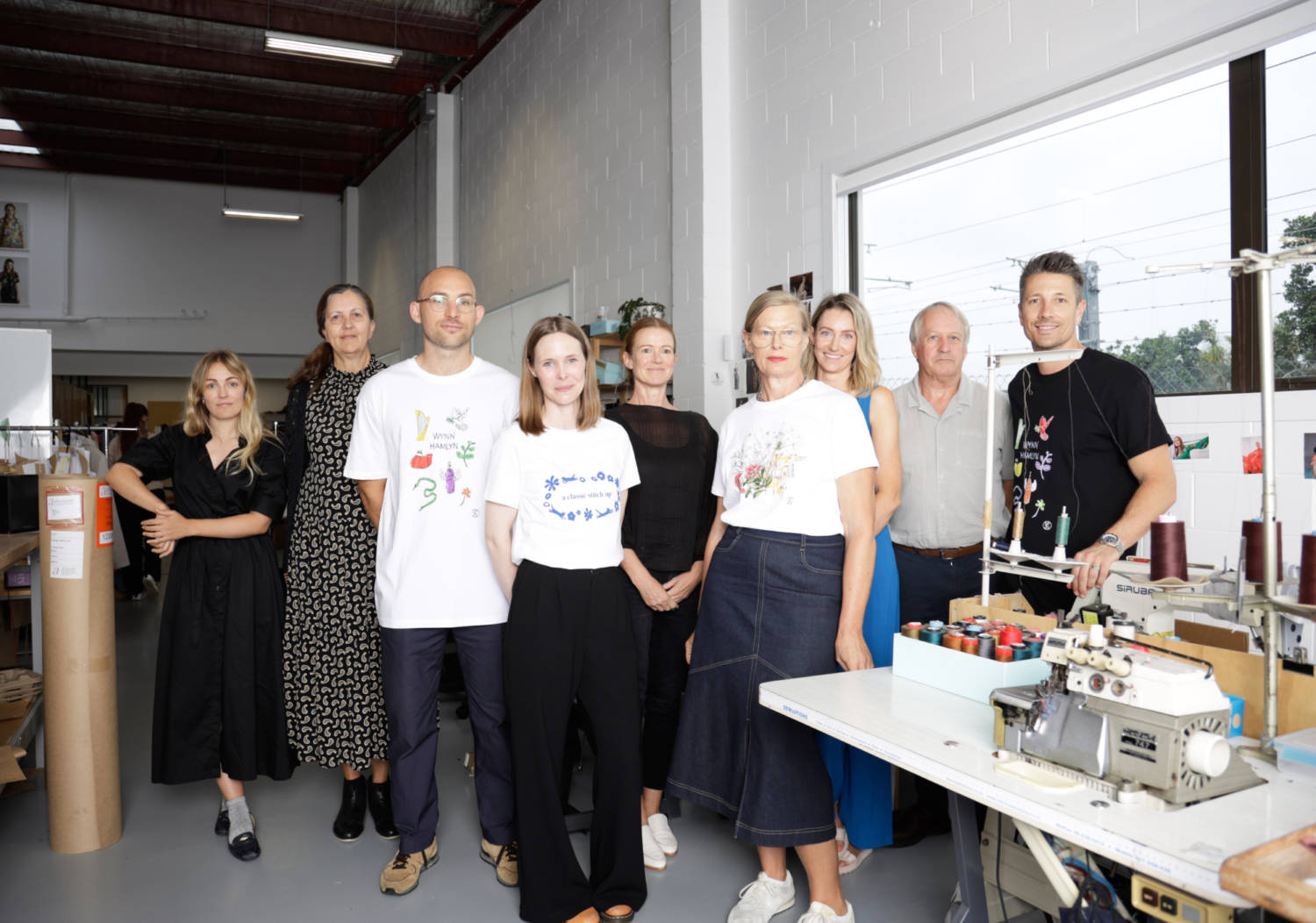
L to R: Sophie Donovan, Lily Mihaijevich, Wynn Hamlyn, Rachel Easting, Jacinta FitzGerald, Kate Sylvester, Kirsty Palin, Bryce Heron, Fraser Wood.
Wynn Hamlyn, Twenty Seven Names and Kate Sylvester have each designed a bespoke print for our circular T Shirt that speak to the Fashion & Textiles audience about their brand and it's connection to Fashion & Textiles’s mission. The T’s are available through each designer's sales channels and on the Fashion & Textiles website.
Follow the T shirt's Provenance Journey...
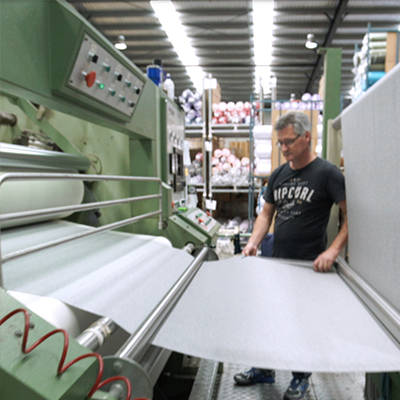
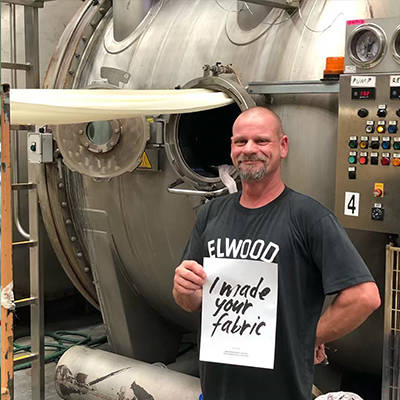
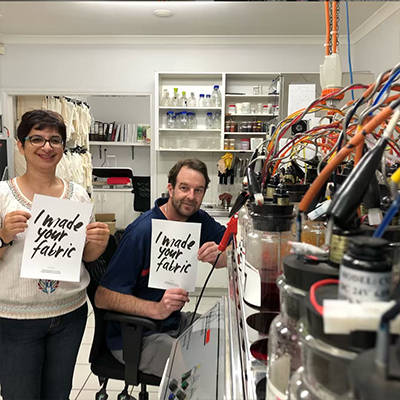
The journey of our MFNZ T-shirt
Fibre
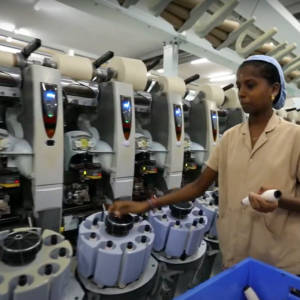
Yarn
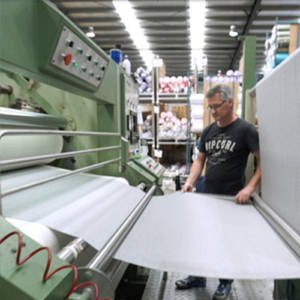
Fabric
Rib
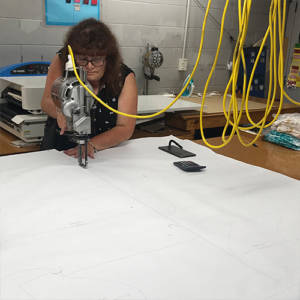
Cut
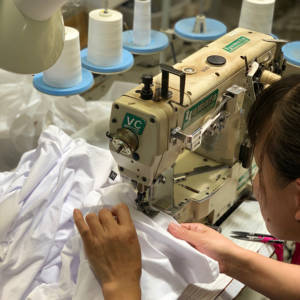
Manufacturing
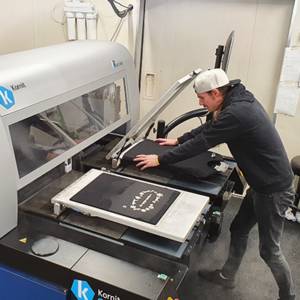
Printing
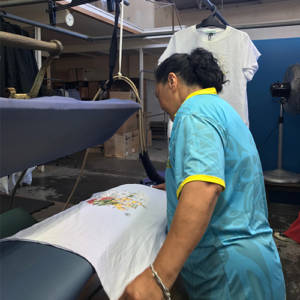
Pressing
Dispatch

Wear and care
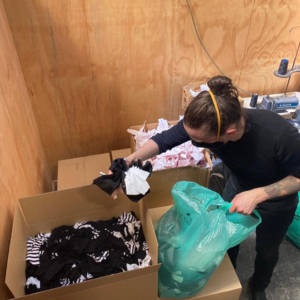
Closing the loop
We want you to love and cherish your T shirt, repair it when needed, and care for it to give it a long and vibrant life. When it reaches the point where the T shirt is no longer wearable, we will bring the T shirt's life full circle. Send it back to us and we will recycle your T shirt back into new fibre through a partnership with New Zealand company Little Yellow Bird.
All proceeds from the sale of the Fashion & Textiles T shirt will go towards our ongoing work to support sustainable and circular developments for the NZ industry.
Shop the Fashion & Textiles full-circle T-shirt here.
Sustainability

Sustainability Insights Report - November 2021
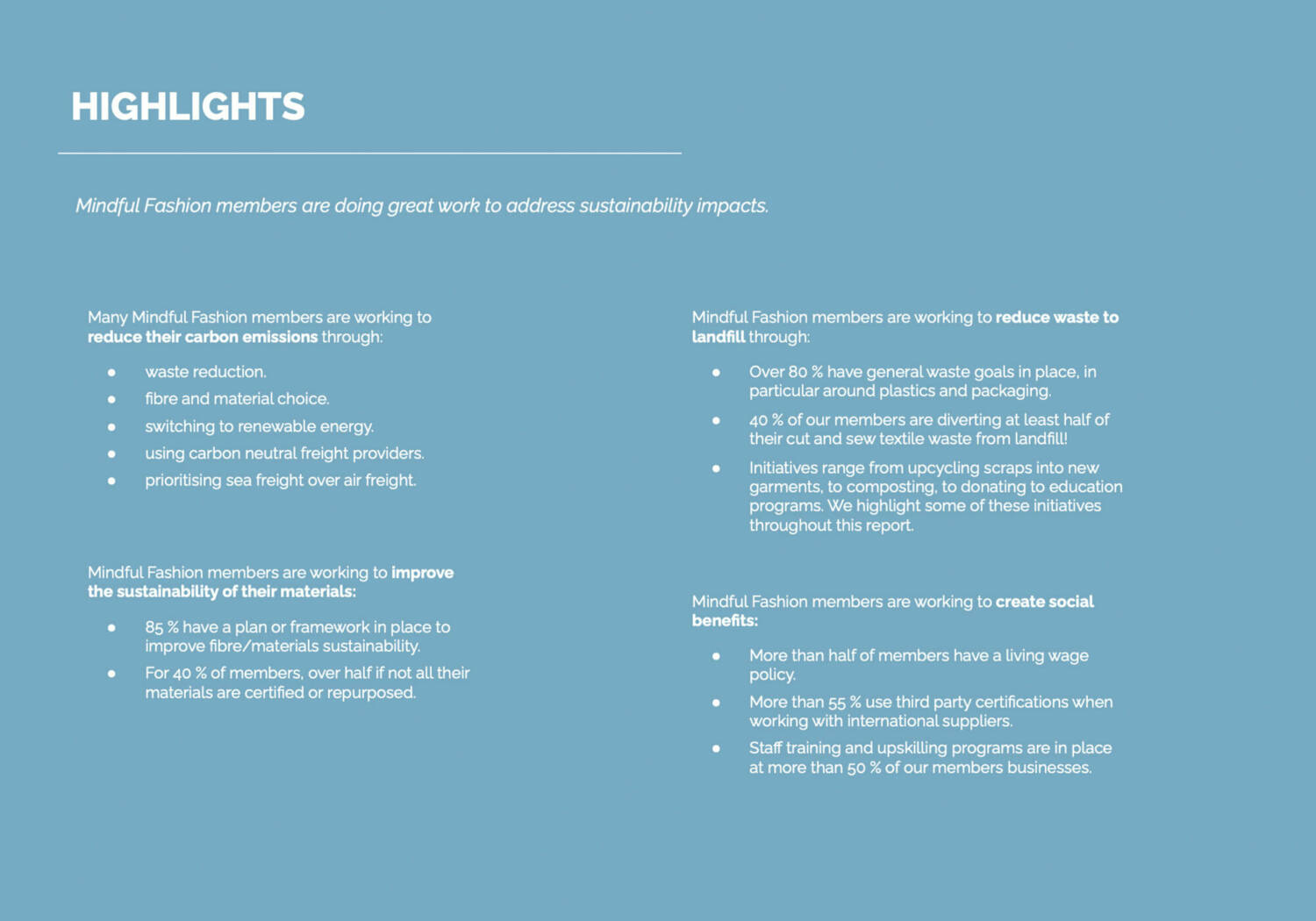
In November, Fashion & Textiles released its inaugural Sustainability Insights Report 2021. The report demonstrates the collective progress being made in the New Zealand fashion industry and presents a path forward for positive action.
Challenges and Opportunities
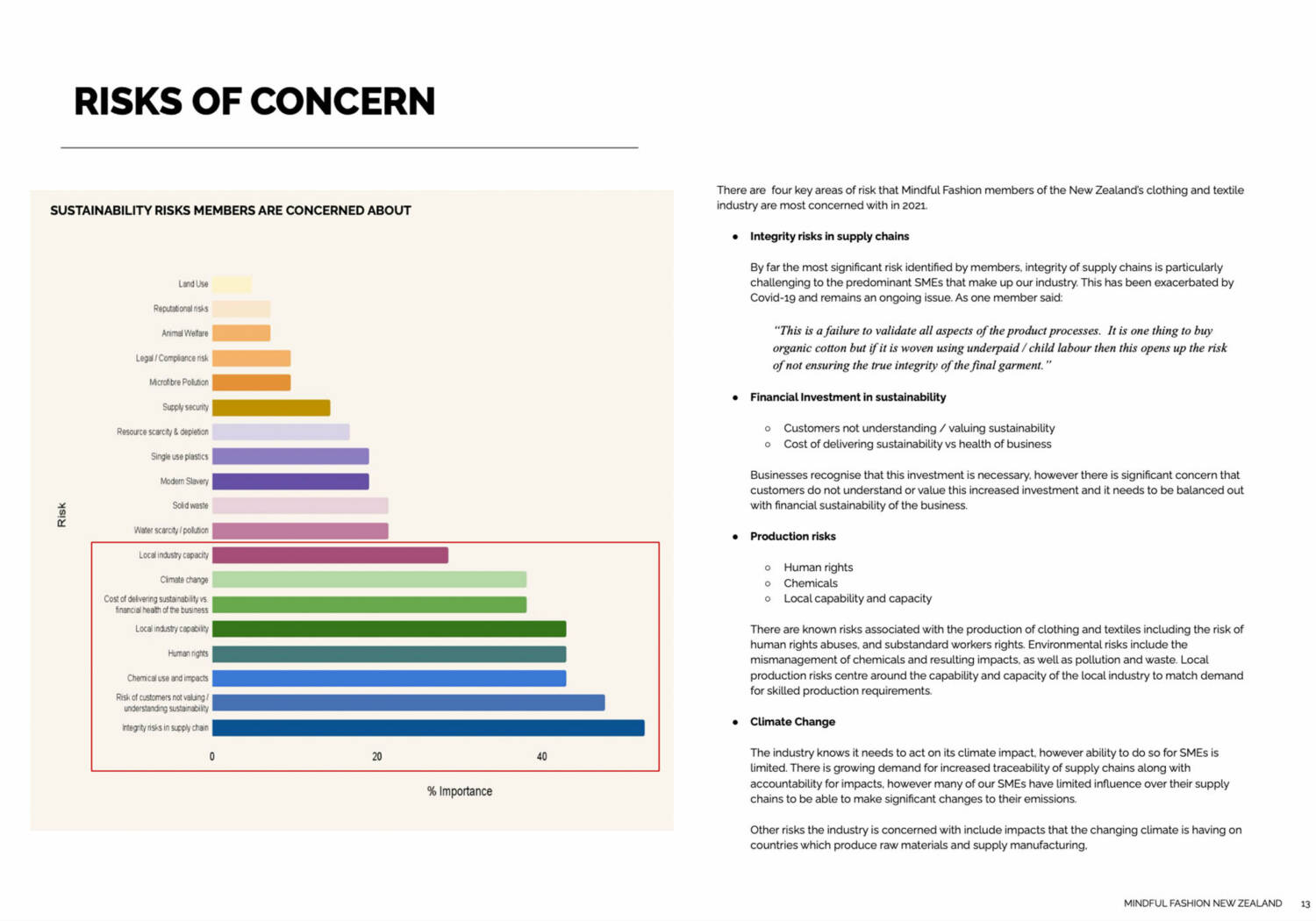
The report highlights where great work is being done and drills down into the challenges and the opportunities for sustainability across the industry in Aotearoa New Zealand. Findings show the industry’s biggest concern is integrity risks in its supply chain. Programme Director Jacinta FitzGerald says this highlights the nature of the challenges businesses in the sector face. With globalised supply chains and challenges around traceability of suppliers, businesses can have limited ability to influence their supply chains.
Emissions Reduction Plan submission - October 2021
Fashion & Textiles has submitted feedback to the Government's emissions reduction plan consultation. The first emissions reduction plan will set the direction for climate action for the next 15 years for Aotearoa New Zealand. As an organisation we wanted to have a say on what we think should be included in the plan.
You can read our submission here.
Sustainability Framework for members - February 2021
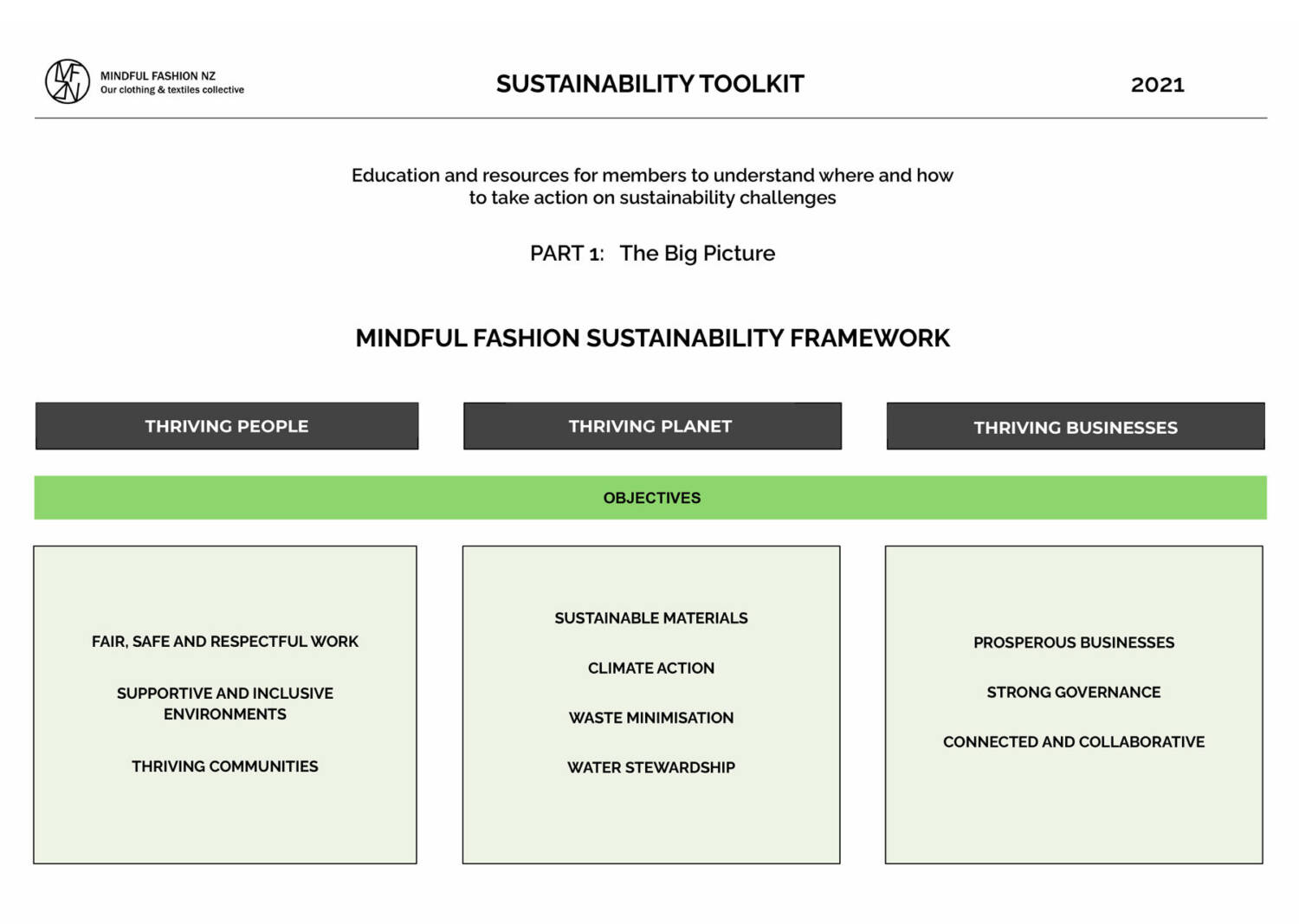
The clothing and textiles industry currently has no unified, or globally recognised path or methodology to act on sustainability. Building on our shared vision for a sustainable and thriving future for the industry, Fashion & Textiles has created a Framework for Sustainability Action. The framework outlines the scope of sustainability challenges the industry currently faces, broken down into three pillars of People, the Environment and Business. We have developed our framework in consultation with members, industry experts and global initiatives.
The objective of the framework is to provide an overview of sustainability action areas for our members. The framework is not proposing that any business needs to be addressing all of these areas.
Our members operate at different stages of the supply chain and undertake a diverse range of business operations, therefore each member will have its own individual sustainability challenges to address. We will provide guidance for members to help them identify which areas within the framework are a priority for them, and then tools to help address these sustainability challenges. More to come on this.
Our goal is to create a community of positive change in our industry. Fashion & Textiles will support members to identify their priorities, set ambition, take action and monitor progress on their sustainability goals in a way that works for their business.
To support our members to act on sustainability, we are developing tools and resources in partnership with local and global subject matter experts and aligned organisations. These will be delivered through workshops and masterclasses on a rolling basis over the course of 2021, and will be available for members on the Fashion & Textiles website.
Climate Action Programme
Fashion & Textiles New Zealand Fashion Climate Action Programme
In direct response to industry needs, Fashion & Textiles launches the Fashion & Textiles New Zealand Climate Action Programme – an initiative designed to catalyse action and support the local industry on its decarbonisation journey.
What is it?
With the New Zealand clothing and textile industry predominantly made up of SMEs, Fashion & Textiles has designed its programme to address common barriers to action these businesses typically face. Currently, each business needs to embark on emissions measurement and reduction independently, with cost, time and knowledge significant barriers. The Fashion & Textiles programme provides industry-specific guidance and tools, support to participants during the measurement process, and workshops to collaborate on developing reduction strategies.
Why it was created
One of the key takeaways from a recent analysis is the New Zealand fashion industry’s desire to address its climate impact. Fashion & Textiles CE Jacinta FitzGerald says, “We know that globally the fashion industry is a huge contributor to carbon emissions. To create effective change a sector-wide approach is needed. Our action-oriented programme will build capability and use collective action to drive reductions over time. This is a programme the entire fashion and textiles industry can get behind, and frankly, it must if we are to meet global targets.”
Who's taking part
More than 20 Fashion & Textiles businesses participated in Stage 1 of the Programme, which was designed to enable businesses with knowledge and tools to measure their organisation’s greenhouse gas emissions and take steps to reduce them. Findings from this stage will feed into a Climate Action roadmap that will outline the path towards meeting the industry's longer-term goals, including emissions generated both upstream and downstream in the supply chain.
Partners
Fashion & Textiles’s programme is kickstarted by funding from Whakatupu Aotearoa Foundation, with further support from the Ministry for the Environment | Manatū Mō Te Taiao. It has been co-developed with carbon measurement and offset specialist Ekos, is open industry-wide and free for Fashion & Textiles members to participate.
Whakatupu Aotearoa’s Programme Director Yii Petrus says, “We are excited to support Fashion & Textiles to catalyse climate action within the fashion industry in New Zealand. We share a vision of a restored and thriving Aotearoa New Zealand, and this initiative is a crucial step on this journey.”
Ian Challenger from Ekos says, “Working in industry sectors is an excellent way for companies of all shapes and sizes to learn how to measure and manage their emissions, often from each other as they are tackling similar challenges. Ekos is excited to be working with Fashion & Textiles and being part of a programme to help reduce emissions across a whole sector”.
Collaboration is key
Jacinta says “Collaboration is key to making meaningful progress. We welcome all members of the industry to join us on this mission. It's imperative the industry starts to tackle this challenge. ”
Interested businesses please get in touch with jacinta@fashiontextilesnz.org
Circularity Working Group
Feb 2021:
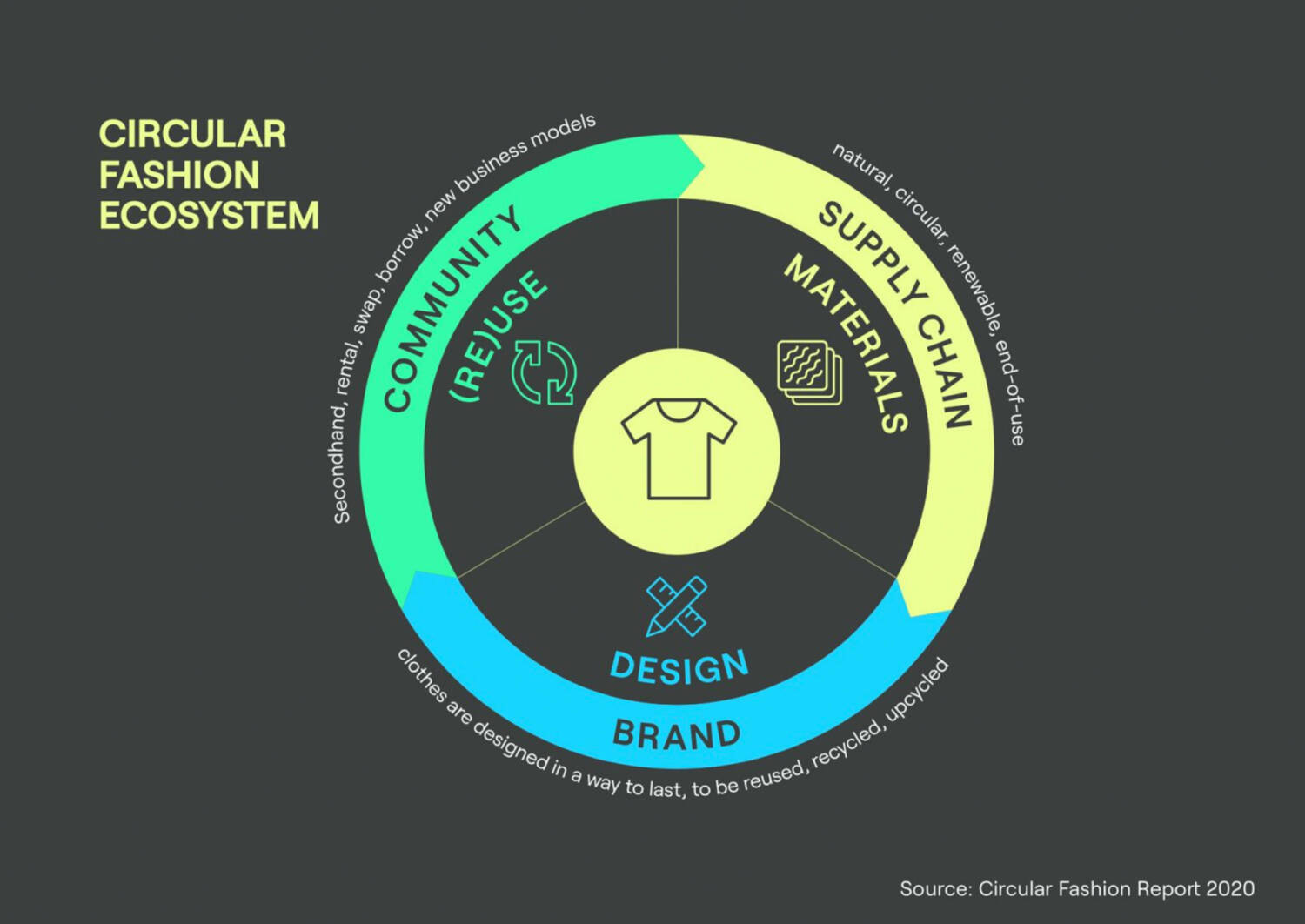
A full-circle clothing and textile industry is part of our mission statement at Fashion & Textiles. With this in mind we have established a working group of interested members from across the value chain to come up with a plan for how we can work together to bring this closer to reality.
Some of our challenges as an industry are:
- We are producing and consuming more than ever. Production has doubled in the last 15 years while use-rates have dropped by 40%. 1
- While less than 1% of used clothing and textiles are recycled back into new clothing; in fact 85% ends up in landfill. 2
- The industry’s current “take, make, waste” approach does not manage resources for the long term; as a planet we use 1.7x the earth’s resources each year! 3
- In Aotearoa the majority of textile waste ends up in landfill - an estimated 220,000 tonnes/yr. Auckland Council estimates textiles are 9% of their landfills, and that at current growth rates this would rise to 14% by 2040. 4
- There is currently little to no local operational textile recycling in Aotearoa, or textile production.
The industry needs to move towards a circular system, where resources are used more and products are designed never to become waste. We need to start putting value ahead of volume.
To help solve some of these wicked challenges, our working group is currently exploring themes in two areas:
- How can we be more circular now with existing models and systems
- How we can create more circular models and systems for the future
We have identified two projects that have potential to help the industry move towards a more circular system. These are both in the scoping stage and more information, including how members can get involved, will follow soon. Let us know if you’re keen to be involved!
1. Ellen MacArthur Foundation, 2017. A New Textiles Economy.
2. Ellen MacArthur Foundation, 2017. A New Textiles Economy.
3. Global Footprint Network, 2020. Earth Overshoot Day.
4. The Formary, 2020. Looking in the Mirror; A review of circularity in the clothing and textiles industry in Aotearoa.
Apprenticeship Program
Feb 2021:
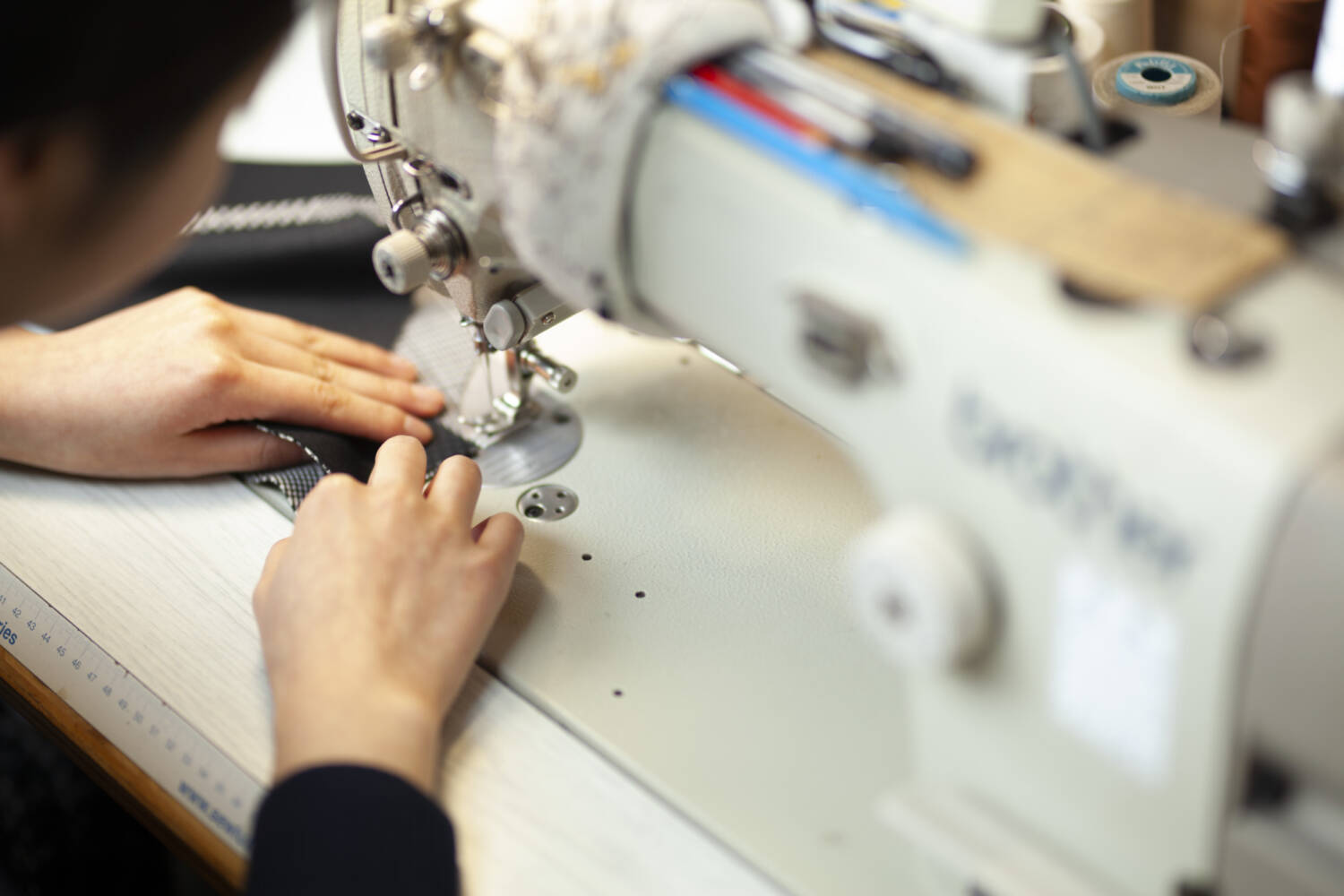
The New Zealand garment manufacturing industry is under threat, and now more than ever, we need to support our beloved local supply chain of makers who bring your favourite clothes to life.
New Zealand needs to invest in a sustainable future for the local fashion industry and the creation of manufacturing jobs. It is becoming more and more challenging to produce clothing in New Zealand with a declining number of New Zealanders who have technical expertise and skills in garment construction.
Fashion & Textiles has been working with Industry Training Organisation (ITO) Competenz, a government agency, to develop a meaningful garment manufacturing apprenticeship programme to fulfil much needed industry skill shortages and create jobs within our clothing industry. We began this process in August 2020 thinking it would be a relatively simple undertaking. What novices! The wheels of bureaucracy work on a frustratingly slow rotation.
In October 2020 we surveyed members and the wider industry to determine the need and feasibility of an apprenticeship program. Our analysis of the results showed there is demand, especially in the area of machining. Of those surveyed more than 50% said they would be willing to take on an apprentice. Working with Competenz we have built out a business case which is making its way through the system.
The scoping document to develop a machining apprenticeship was submitted to the Senior Leadership team at Competenz in December 2020, and has been approved to the next stage of internal discovery, which includes updating the unit standards and creating supporting assessments - looking to be added to the 2021 Competenz work plan.
However, the current vocational education system is being redesigned through ROVE, the Reform of Vocational Education. Under ROVE, in 2021 new Workforce Development Councils (WDCs) are being developed along with one central Industry Training Organisation, Te Pukenga, which will replace Competenz. While we are assured this should not impact existing programs of work, this adds potentially further complications to our development timeline. In early march 2021, Jacinta, Kate and Trevor are due to meet with Fiona Kingsford, CEO of Competenz in an effort to make our case a greater priority.
More to come as this project progresses.
Workforce Development
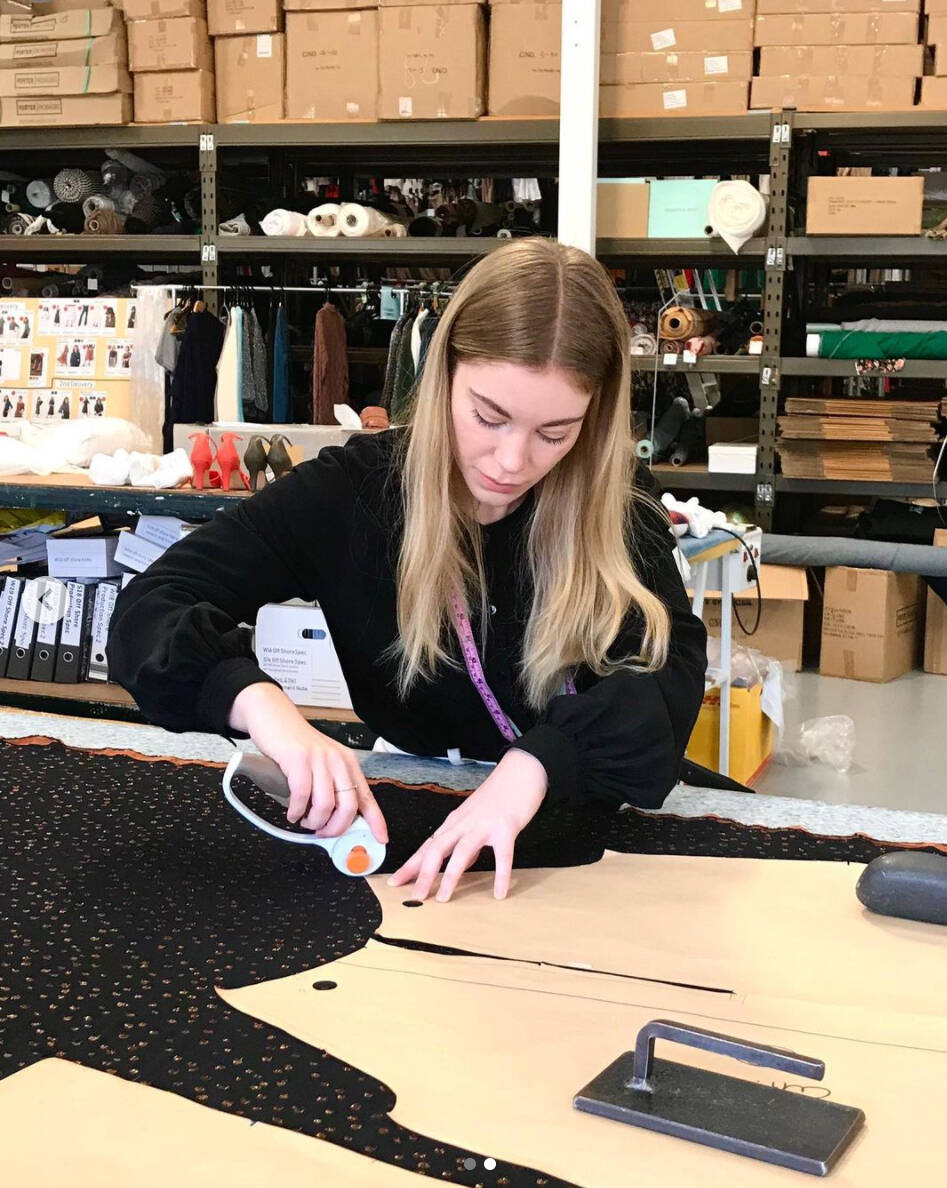
Our objective is to develop a capable and responsive workforce. To achieve this, we need to ensure our industry has pathways to employment for graduates entering the workforce, and on-the-job training pathways for those upskilling/developing new skills.
A strong workforce development pipeline will enable our industry to increase innovation and productivity, and build a resilient and thriving industry to meet the changing demands of society and consumers.
Two pathways have been identified to begin to develop a strong workforce. These are not exhaustive, but are avenues we are currently focussing on due to acute need.
- Degree program graduates > Workplace internships / graduate placements
- Vocational on-the-job training > Apprenticeships
Graduate Placements
Fashion & Textiles has identified a need to work closely with New Zealand’s tertiary education providers to ensure their graduates are meeting the needs of industry, and to ensure recruitment pathways exist for students entering the workforce.
In September 2020, Fashion & Textiles submitted a Needs Analysis to Competenz to support an application to the Covid-19 Response Fund to assist the sector in recovery from Covid-19 impacts. The application was for funding for the design and pilot of a Graduate Placement Programme. Competenz advised that this proposal would have a low chance of success for the Covid Relief Fund and therefore advised us to focus instead on developing an apprenticeship program through the standard channels.

Jan 2021:
We are currently developing a proposal for a pilot Graduate Placement Program to help bridge the gap between tertiary education and employment for students. The idea of the program is to connect graduates with potential employers and provide them with commercial experience in the form of a paid internship. We have raised this program with both TEC and Competenz with positive responses, yet the concept falls outside their brief.
To support this, in January Jacinta and Trevor took Fashion & Textiles to the Beehive! We met with Jan Tinetti (Minister for Women and Associate Minister of Education) and a senior policy advisor to Chris Hipkins. We discussed industry challenges and opportunities, in particular around workforce development. We were advised by the Minister to build out the proposal for a pilot program, and submit it for funding to Government Agencies to be advised.
More to come as this project progresses.
Code of Conduct
October 2020:
Fashion & Textiles NZ is a voluntary organisation. Members choose to join because they share a common aspiration for a sustainable future for the New Zealand Clothing and Textiles industry. To support this common agenda, we have created the Fashion & Textiles NZ Code of Conduct.
The MFNZ Code of Conduct sets out baseline standards of responsible business practice for the industry. The standards cover business ethics, human and labour rights and environmental stewardship. All our members are expected to adopt the Code for their businesses (or an equivalent), and we will provide support around implementing this.
By adopting the same Code we set a shared understanding of ethical and sustainable practice among members and with wider society. This is a big step forward for us as an organisation - defining the shared commitment that sets Fashion & Textiles NZ members apart!
The Code replaces the original Partnership Agreement, and for those who signed this the substance is essentially the same. The core difference is that each member business is responsible for implementing the Code in their own business. It is not an agreement between businesses, rather a shared set of standards. We made this change based on feedback from members, in line with our strategic direction.
Codes of Conduct are an important tool in the apparel industry and are expected by other businesses, NGOs and some consumers. While we do not see Fashion & Textiles's role at this point as monitors of compliance with the Code, we know verification of the Code through the supply chain is important. We plan to engage with members in 2021, to understand the need that a verification process is addressing, so we can determine the best way to address this.
The Code and Charter can be accessed here.